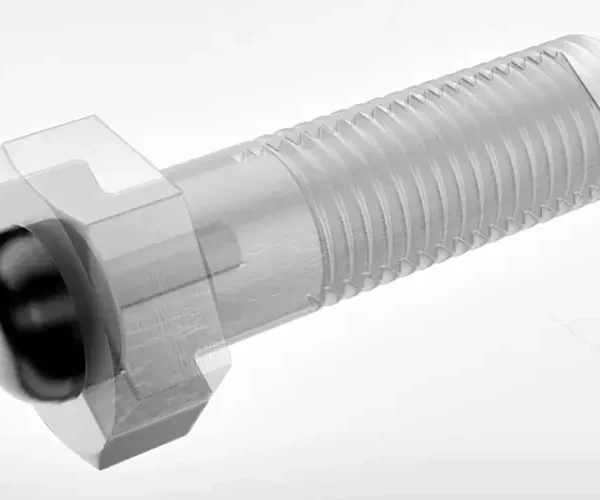
Bolted joint monitoring system
Bolted Joint Monitoring System Solutions
The bolted joint monitoring system category brings together advanced technologies designed to ensure the integrity, reliability, and safety of critical bolted connections in industrial applications. These systems play a key role in early detection of bolt loosening, preload loss, and tension variations, helping to prevent costly failures and unplanned downtime.
Applications and Industry Use Cases
Bolted joint monitoring systems are essential for sectors where joint security is critical, including energy, oil and gas, chemical processing, wind power, transportation, and heavy machinery. Frequently used in pressure vessels, pipeline flanges, structural connections, and rotating equipment, these systems deliver continuous status updates and enable preventive maintenance strategies. By implementing real-time bolt monitoring, operators can detect changes in bolt tension and integrity before they escalate into major issues.
Types of Monitoring Solutions
- Bolt load monitoring systems – Measure actual bolt load during installation and operation for optimal clamping force and structural safety.
- Bolt preload monitoring – Track preload levels to ensure initial tightening meets design requirements and identify pre-tension loss.
- Bolt tension monitoring systems – Perform real-time assessment of bolt tension using strain gauges, ultrasonic sensors, or piezoelectric technology.
- Bolt loosening detection systems – Detect and alert to any loss in bolt tightness that could lead to joint separation or leakage.
- Bolt integrity monitoring systems – Monitor the overall health of bolted joints, supporting predictive maintenance.
Key Features and Advantages
- Real-time monitoring for immediate response to changes in bolt condition
- Non-invasive, easy-to-install sensor options minimize operational disruption
- Data-driven maintenance planning extends equipment life and reduces risk
- Remote access and integration capabilities with SCADA or plant control systems
What to Look For When Choosing a System
- Compatibility with bolt sizes and materials used in your application
- The type of measurement technology (e.g., ultrasonic, wireless strain, piezoelectric)
- Required monitoring frequency—continuous or periodic
- Installation environment: temperature, humidity, vibration levels
- Integration options with existing asset management or control infrastructure
Selecting the right bolted joint monitoring system ensures safety compliance, allows for predictive maintenance, and maximizes the lifespan of critical connections. Explore our portfolio to find tailored solutions for your specific industrial needs.