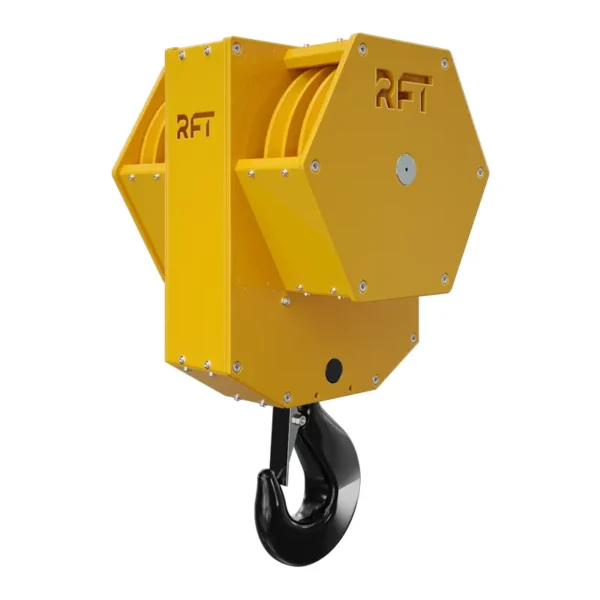
Hook blocks
Hook Blocks for Industrial Lifting and Material Handling
Hook blocks are essential components in material handling systems, providing a secure and efficient way to connect lifting equipment to loads in a variety of industrial settings. Commonly used in overhead cranes, hoists, and other lifting systems, these assemblies play a crucial role in ensuring safe, reliable lifting operations for heavy loads.
Applications of Hook Blocks
Hook blocks are widely found in sectors like manufacturing, construction, shipping, warehousing, and heavy industry. Their primary function is to create a secure attachment point for crane lifting hooks, chain slings, or wire ropes, facilitating controlled movement and reliable load transfer. Typical use cases include:
- Overhead cranes in factories and warehouses
- Gantry cranes for construction sites and shipyards
- Bridge cranes in metal fabrication or machining plants
- Industrial hook assemblies for specialized lifting tasks
Key Features and Selection Criteria
When choosing hook blocks, consider the following factors:
- Load capacity: Ensure the block is rated for the maximum load you’ll handle, in compliance with safety regulations.
- Compatibility: Match the block to the lifting equipment and application—check fit with crane lifting hooks, hoist types, or load handling hook systems.
- Durability: Many heavy duty hook blocks are engineered from high-strength, wear-resistant materials to withstand demanding cycles and harsh environments.
- Safety features: Modern lifting hook systems include safety latches, swivel hooks, and optimized sheave designs to minimize risk and improve load control.
- Ease of maintenance: Some industrial hook assemblies feature accessible lubrication points or replaceable components for lower ongoing costs.
Why Choose Quality Hook Blocks?
Reliable hook blocks are vital for safe and efficient lifting. Choosing the right product helps prevent downtime, reduces maintenance and inspection frequency, and enhances the safety of workers and equipment. From heavy duty applications to general-purpose lifting, these components are fundamental for effective material handling.